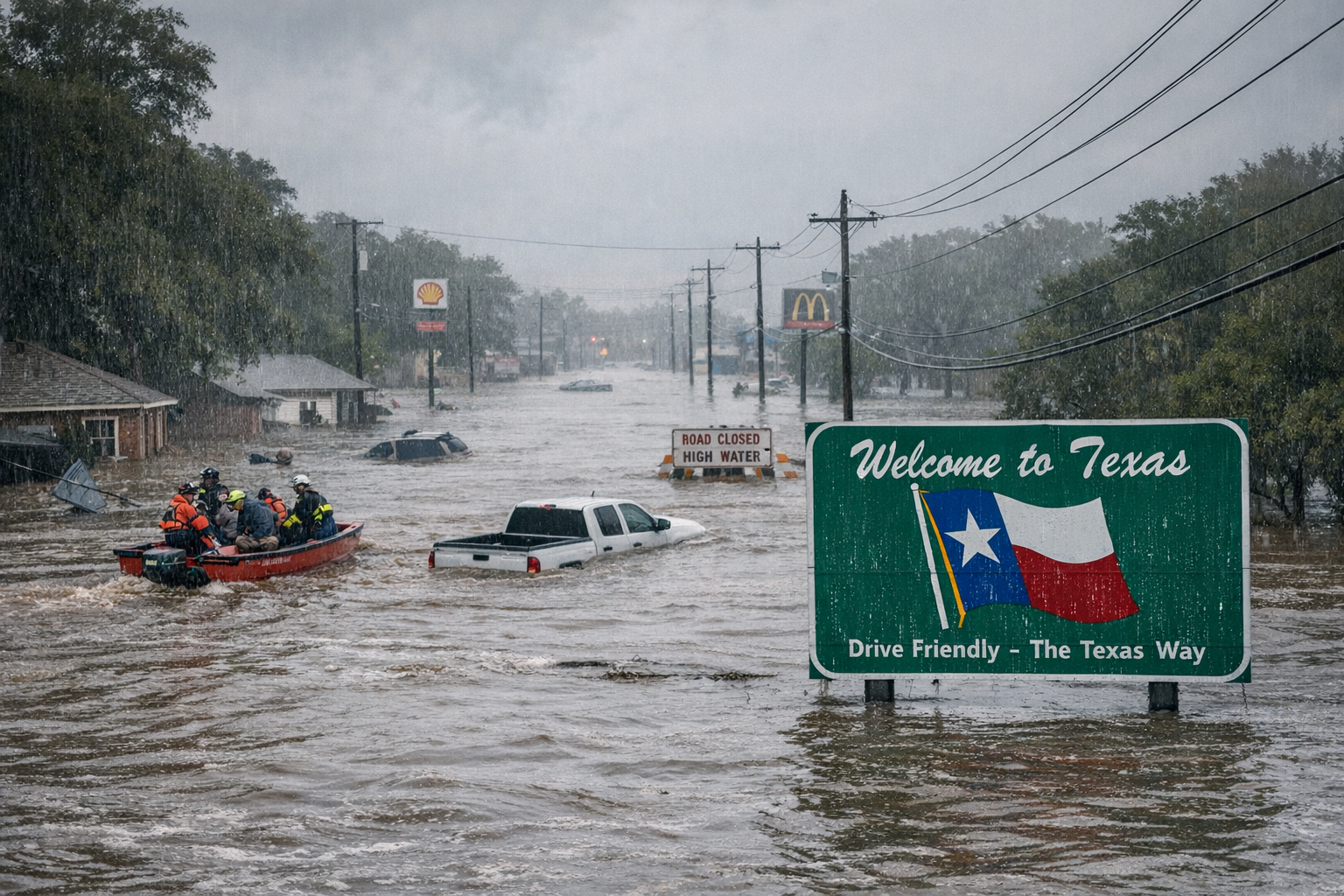
Floods can strike unexpectedly in Texas, leaving families and businesses facing significant losses. After the waters recede, many people feel overwhelmed by the insurance claim process. In these difficult moments, knowing how to approach your insurance claim can help you recover more quickly and avoid costly mistakes. By following some key tips, you can strengthen your claim and ensure you receive the coverage you deserve. Clear steps and helpful advice can make all the difference in navigating this challenging time. For every Texas flood victim, understanding important insurance claim strategies becomes essential.
Understanding Your Insurance Coverage Before a Flood
Before a flood ever happens, taking time to understand your insurance policy can save you from significant stress when you need to file a claim. Many homeowners in Texas may not realize that standard policies do not typically include coverage for flood damage. Therefore, purchasing a separate flood insurance policy is necessary for those living in flood-prone areas. Additionally, review the policy limits and exclusions to understand precisely what is covered. This preparation helps you avoid surprises during the claim process. If you have questions, contact your insurance agent for clarification.
Besides knowing your coverage, regularly updating your policy ensures you remain protected as your needs change. As you acquire new possessions or make improvements to your home, update your policy to reflect these changes. Also, keep records of your insurance documents in a safe, waterproof location. In the event of a flood, you will want immediate access to these important papers. Reviewing your policy annually enables you to identify coverage gaps promptly. Policies can change, so staying informed keeps you ahead.
Moreover, having a trusted insurance agent or broker can make a big difference. An experienced agent will help you understand complex terms and guide you through the process before any issues arise. Ask your agent specific questions about flood coverage and the process for filing a claim. Building a relationship means having a knowledgeable advocate on your side when you need support. Proactive communication ensures you are fully prepared for a flood emergency.
Documenting Flood Damage Effectively and Efficiently
Once floodwaters subside, documenting damage becomes your top priority. Start by taking clear, detailed photos and videos of every affected part of your property. Include close-up shots of damaged items and wide-angle shots that show the extent of the destruction. Additionally, make a written inventory of all damaged property, listing descriptions, approximate values, and, if possible, purchase dates. Use your phone or a camera to create a complete visual record. Proper documentation will support your claim and help your insurance company process it more quickly.
Next, collect receipts, warranties, and any proof of ownership for significant items. Additionally, save estimates or invoices from contractors in case you need to make urgent repairs to prevent further damage. While cleaning up, do not immediately throw away damaged items, as your insurance adjuster may need to inspect them. Store damaged belongings in a safe location, if possible, and continue to document the damage as you find more. The more evidence you gather, the smoother your claim will go.
Finally, organize all your documentation in one accessible folder or digital file. By keeping everything organized, you can easily provide the necessary information when your insurance adjuster requests it. In case you need to submit documents online, scan and save them as digital files. If you must relocate temporarily, take your documentation with you for added security. Preparing in this way lowers stress and ensures no evidence is lost during the claims process. Strong documentation supports your case and maximizes your potential reimbursement.
Communicating Clearly With Your Insurance Company
Effective communication with your insurance company can significantly improve your claim outcome. Contact your insurance provider as soon as possible after the flood event. During your initial call, provide precise details about the damage and ask for instructions on filing your claim. Write down the name and contact information of everyone you speak with, and record the date and time of each call. Maintaining a detailed record of your communications ensures accuracy and facilitates dispute resolution.
Additionally, respond promptly to your insurance company’s requests for information. If you receive forms or emails, fill them out completely and return them as soon as possible. When you speak with adjusters or representatives, ask questions and clarify any instructions you do not understand. Maintain copies of all correspondence for your records. Keeping organized will help you address misunderstandings and delays more easily.
Furthermore, remain polite and persistent throughout the process. Even if you feel frustrated or overwhelmed, respectful communication often leads to better results. If you encounter problems, ask to speak with a supervisor or request written explanations. Clear and frequent communication shows your insurance company that you are serious about your claim. Being proactive can lead to a faster and fairer resolution, helping you get back on your feet sooner.
Navigating the Claims Process Without Stress
Filing an insurance claim after a flood can seem daunting, but adopting a calm and organized approach can make the process less stressful. Start by following your insurance company’s instructions for submitting your claim, and keep a checklist to track your progress. Break the process into small steps, such as collecting documents, communicating with your adjuster, and reviewing claim forms. Each action you complete brings you closer to resolution. By focusing on one task at a time, you can reduce anxiety and maintain control over your situation.
Additionally, stay patient as your insurance company reviews your claim. Processing times can vary, especially after widespread flooding. While you wait, keep the lines of communication open and continue to document any new developments or costs that arise. If you receive a settlement offer, review it carefully before accepting. Ask questions about anything you do not understand, and do not hesitate to request clarification or additional information if the offer seems unclear.
Moreover, if you need extra support, ask friends, family, or community organizations for help. Many communities in Texas have resources available for flood victims, including legal aid and claim assistance. Support networks can provide guidance and encouragement, making the process less lonely. Working with advocates or professionals can help you resolve complex issues, especially if your claim becomes complicated. Remember, you do not have to face the claims process alone.
Protecting Your Rights and Preparing for the Future
Understanding your rights as a policyholder empowers you during the claims process. If you feel your insurance company is not treating you fairly, know that you can file a complaint with the Texas Department of Insurance. Keep careful records of all interactions, documents, and settlement offers. Sometimes, hiring a public adjuster or consulting an attorney can help you negotiate a better outcome. Knowing your rights allows you to stand firm and seek the compensation you deserve.
Additionally, take the time after your claim is settled to review what worked and what did not. Identify any gaps in your coverage or areas where the process became difficult. Use this experience to improve your preparedness for the future. Update your disaster plan and review your insurance policy to make any necessary changes. Educating yourself and your family about flood risks and safety measures will help you respond quickly in an emergency.
Furthermore, consider investing in preventive measures to reduce future flood damage. Elevating electrical systems, installing sump pumps, or improving drainage around your property can provide added protection. Discuss potential premium discounts with your insurance agent for enhancing your home’s resilience. Preparing in advance puts you in a stronger position if another flood occurs. By learning from your experience and planning, you can protect your home and your peace of mind.
Conclusion
Recovering from a Texas flood presents numerous challenges, but taking proactive steps with your insurance claim can make a significant difference. By understanding your coverage in advance, you can avoid unpleasant surprises and act quickly when disaster strikes. Documenting all damage carefully and keeping records organized ensures your claim is strong and complete. Clear, respectful communication with your insurance company helps you resolve questions and speeds up the claims process. If you stay patient and ask for help when needed, you can manage the process without overwhelming stress. Protecting your rights empowers you to seek fair treatment and get the compensation your policy promises. Reviewing your experience and making improvements helps you prepare for future events. Taking preventive action can limit damage from future floods, keeping your family safe and your property secure. Texas residents face unique flood risks, but by following these helpful tips, you can recover more quickly and build resilience for the future. Remember, every step you take now moves you closer to a full recovery and greater peace of mind.